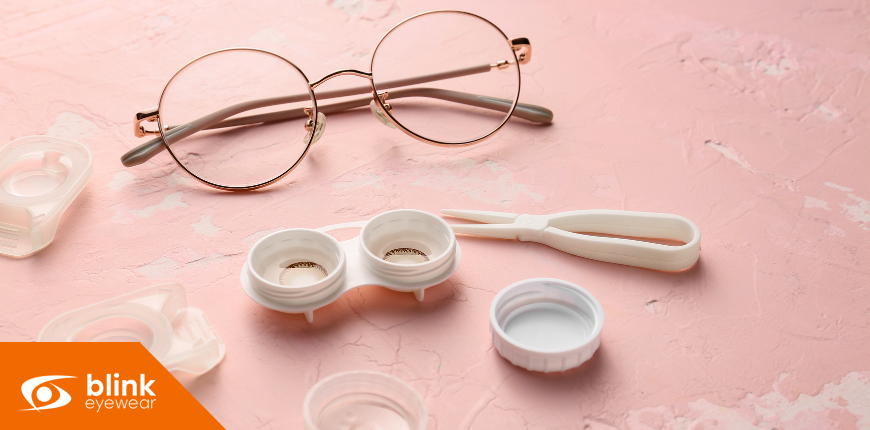
Calgary’s winter isn’t just cold; it’s dry, windy, and unforgiving on your eyes. If you wear contact lenses or glasses, you’ve likely felt the impact. But which option is better when the temperatures drop? At Blink Eyewear, we help you understand how Alberta’s dry winter climate affects your eyes and your vision correction choices. Whether you’re considering switching to glasses, looking for more breathable contact lenses, or need dry eye relief, we offer personalized solutions to keep your eyes comfortable and clear all season long. Serving Calgary’s Crowfoot, West Springs, and Creekside communities, we provide expert contact lens fittings, dry eye care, and a wide range of stylish prescription eyewear. Contact us to learn more.
Why Winter in Calgary Is So Hard on Your Eyes
Cold weather may not seem like a threat to your vision, but Alberta’s winter air is incredibly dry, and your eyes feel it. Indoor heating, freezing winds, and reduced humidity can cause your tear film to evaporate more quickly, leading to:
- Itchiness and redness
- Burning sensations
- Grittiness or a feeling like something is in your eye
- Blurry or fluctuating vision
Glasses: The Protective Winter Option
Prescription glasses are often the more comfortable choice in the winter, especially if you already experience dry eye symptoms. Benefits include:
- Shielding your eyes from wind and cold
- No direct contact with the eye, which means less irritation
- Ease of use—no need to worry about hydration drops or contact lens care routines
Plus, glasses can be an accessory upgrade for your winter wardrobe, and we carry both fashion-forward and functional frame options for all ages.
Contact Lenses: Pros and Winter Drawbacks
Many patients prefer contacts for their convenience and full-field vision, but they can become less comfortable in the dry months due to reduced tear film.
Common winter issues with contact lenses:
- Increased dryness and irritation
- Lens discomfort, especially outdoors or in heated buildings
- Reduced wear time due to evaporation
That said, not all lenses are created equal. Blink Eyewear offers advanced lens materials, including moisture-retaining daily disposables and silicone hydrogel lenses that are better suited for dry conditions. A professional contact lens fitting can help you find a more winter-friendly solution.
Dry Eye Care: Don’t Ignore the Signs
If your eyes feel tired, dry, or irritated in the winter—regardless of your vision correction method—it might be time for a dry eye assessment. At Blink Eyewear, we use advanced diagnostics to evaluate tear quality, eye surface health, and environmental triggers. We may recommend:
- Artificial tears or specialty drops
- Lifestyle and screen-time adjustments
- A switch in contact lens type
We Help You Make the Best Choice for Your Eyes
Winter doesn’t have to mean eye discomfort. Whether you prefer contact lenses, glasses, or a mix of both, we’ll help you make informed, personalized choices. Blink Eyewear offers expert contact lens fittings, dry eye care, and a wide selection of designer and budget-friendly glasses. Book your appointment in Crowfoot, Creekside, or West Springs to stay comfortable and clear-eyed this winter. Contact us to get started today.