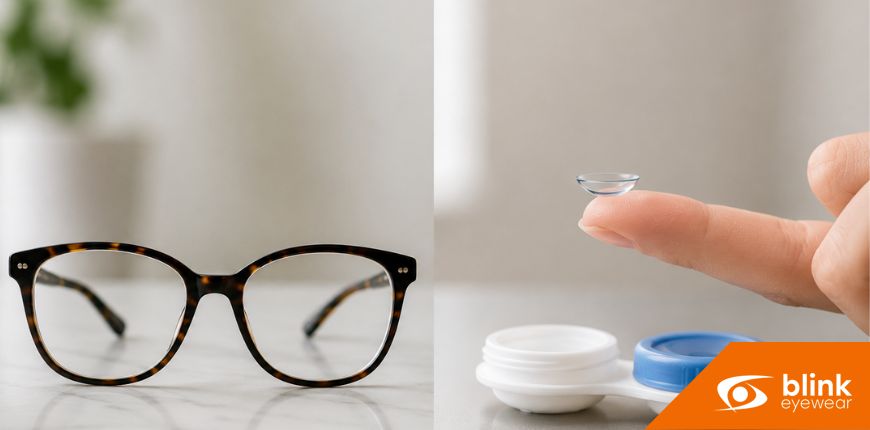
Choosing between glasses and contact lenses is one of the most common decisions people make after receiving a prescription for vision. While both options can effectively correct vision, the right choice often depends on your daily routine, comfort preferences, visual needs, and lifestyle.
Modern eyewear and contact lens technology have evolved significantly over the years, providing more options than ever before. Some people appreciate the convenience and fashion benefits of glasses, while others prefer the freedom and flexibility that contact lenses can offer.
Understanding the advantages and limitations of each option can help you determine which form of vision correction aligns best with your lifestyle.
PROS OF WEARING GLASSES
Glasses remain one of the most popular forms of vision correction because they are simple, effective, and easy to maintain. For many individuals, glasses provide excellent vision without requiring direct contact with the eye.
One of the primary advantages of glasses is convenience. They can be put on and removed quickly without the cleaning and handling procedures required for contact lenses. This makes them an appealing option for people with busy schedules or those who prefer a low-maintenance solution.
Glasses can also help protect the eyes from environmental irritants such as dust, wind, and debris. While they do not provide complete protection, they can create a barrier that reduces exposure to certain elements.
Additional benefits of glasses include:
- Easy to use and maintain
- No direct contact with the eye
- Lower risk of eye infections
- Available in a wide range of styles
- Can include coatings for glare reduction and UV protection
- Suitable for most prescriptions
- Cost-effective over the long term
Many people also enjoy the fashion aspect of eyewear. Frames are available in countless styles, colours, and materials, allowing individuals to express their personality while improving their vision.
For those who experience dry eyes, glasses may provide greater comfort than contact lenses. Since lenses sit directly on the surface of the eye, some individuals find that glasses reduce irritation and dryness, particularly during long workdays or in dry indoor environments.
However, glasses are not perfect for every situation. They can fog up during cold weather, become wet in the rain, and occasionally interfere with certain sports or physical activities. These limitations lead some people to consider contact lenses as an alternative or supplementary option.
ADVANTAGES OF CONTACTS
Contact lenses offer a different experience because they sit directly on the eye and move naturally with your line of sight. Many people appreciate the unobstructed vision and flexibility that contacts provide.
One of the biggest benefits of contact lenses is the wider field of vision they offer. Unlike glasses, which have frame edges and lens boundaries, contacts provide clear vision across your entire visual field. This can be particularly beneficial for sports, driving, and other activities that require strong peripheral awareness.
Contact lenses are often popular among individuals who lead active lifestyles because they remain stable during movement and do not slide down the nose or fog up during exercise.
Benefits of contact lenses include:
- Natural-looking vision correction
- Wider field of view
- No frame obstruction
- Excellent for sports and physical activities
- No fogging during temperature changes
- Compatible with sunglasses of any style
- Comfortable for many daily activities
Modern contact lens technology has improved significantly, offering options designed for different needs. Daily disposable lenses, monthly replacement lenses, toric lenses for astigmatism, multifocal lenses, and specialty lenses all provide solutions for a variety of prescriptions and visual requirements.
Many people enjoy the cosmetic benefits of contact lenses because they do not alter facial appearance. Some individuals simply prefer the look and feel of not wearing glasses.
However, contacts require proper care and hygiene. Poor cleaning habits, sleeping in lenses that are not approved for overnight wear, or wearing lenses longer than recommended can increase the risk of eye infections and other complications.
Some people also experience dry eye symptoms or discomfort after prolonged contact lens use. Regular eye exams help ensure lenses continue fitting properly and remain a healthy option for your eyes.
CHOOSING THE RIGHT OPTION FOR YOUR NEEDS
There is no universal answer to whether glasses or contact lenses are better. The ideal choice depends on your lifestyle, visual demands, comfort preferences, and eye health.
For individuals who spend most of their day working at a desk, glasses may provide excellent convenience and comfort. Modern lenses can include blue light filtering technology, anti-reflective coatings, and progressive designs that support a variety of daily tasks.
People who frequently participate in sports, outdoor recreation, or physically demanding work often appreciate the flexibility that contact lenses provide. They eliminate concerns about frames moving during activity and offer a wider visual field that can enhance performance.
Some lifestyle considerations include:
- Work environment
- Screen time habits
- Physical activity level
- Eye health history
- Dry eye symptoms
- Convenience preferences
- Budget considerations
- Cosmetic preferences
Many patients discover that using both glasses and contact lenses provides the best of both worlds. Contacts may be worn for work, exercise, social events, or travel, while glasses can provide comfort at home and give the eyes a break from lens wear.
Eye health should always be part of the decision-making process. Certain conditions such as severe dry eye disease, allergies, corneal irregularities, or specific medical concerns may influence which option is most suitable.
A comprehensive eye examination can help determine whether contact lenses are appropriate and identify any factors that could affect comfort or safety. During the exam, your optometrist can assess your prescription, evaluate eye health, discuss your daily activities, and recommend options tailored to your needs.
Both glasses and contact lenses have advantages, and neither option is inherently better than the other. The best choice is the one that supports your lifestyle while providing clear, comfortable vision and maintaining long-term eye health.
If you are unsure whether glasses, contact lenses, or a combination of both is right for you, scheduling a comprehensive eye exam is the best place to start. Professional guidance can help ensure your vision correction aligns with your daily routine, comfort expectations, and future eye care needs.