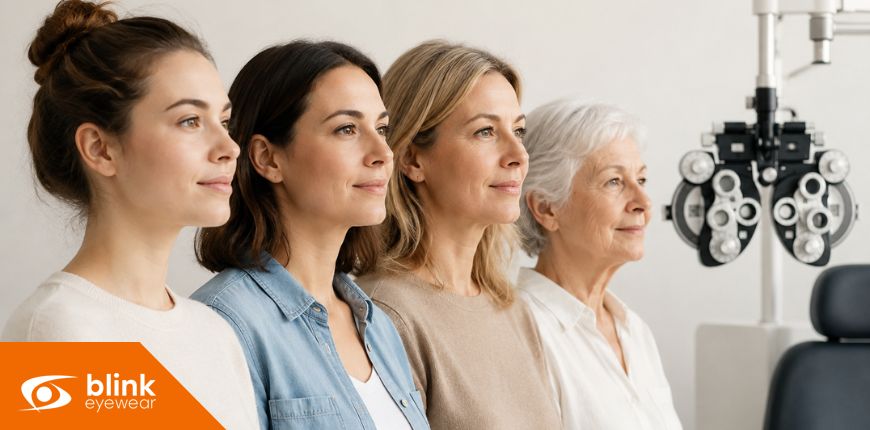
Your eyes change throughout your life, often in ways that are not immediately noticeable. While many people assume eye exams are only necessary when vision becomes blurry, routine eye examinations play an important role in protecting long-term eye health and detecting problems before symptoms develop. The visual demands of your 20s are very different from those experienced in your 40s, 50s, and beyond. As a result, eye care needs evolve over time.
Regular eye exams help monitor vision changes, identify eye diseases in their earliest stages, and ensure your eyes are functioning as efficiently as possible. Conditions such as glaucoma, cataracts, macular degeneration, diabetic eye disease, and retinal problems become increasingly common with age. Even healthy individuals with no apparent vision concerns benefit from ongoing monitoring throughout adulthood.
EYE EXAMS IN YOUR 20S/30S
For many adults, the 20s and 30s are years of work, education, travel, parenting, and increased screen use. Although vision is often at its strongest during this stage of life, regular eye exams remain important because many eye conditions can develop without obvious symptoms.
Young adults frequently spend long hours looking at computers, smartphones, tablets, and other digital devices. This can contribute to digital eye strain, dry eye symptoms, headaches, blurred vision, and difficulty focusing. During an eye exam, your optometrist can assess whether visual fatigue is related to screen use, uncorrected prescriptions, or underlying eye health concerns.
Eye exams during your 20s and 30s commonly evaluate:
- Visual acuity
- Prescription changes
- Eye coordination
- Focusing ability
- Digital eye strain symptoms
- Dry eye disease
- Retinal health
- Family history risk factors
This stage of life is also an ideal time to establish a baseline for future eye health monitoring. Conditions such as glaucoma, keratoconus, and retinal disorders may begin developing long before symptoms become noticeable. Early detection often leads to better outcomes and more treatment options.
Individuals with diabetes, high blood pressure, autoimmune diseases, or a family history of eye disease may require more frequent monitoring. Even if vision appears normal, comprehensive eye exams provide valuable information about both ocular and overall health.
Contact lens wearers should also maintain regular examinations to ensure lenses fit properly and do not contribute to corneal irritation, infections, or other complications.
Many adults in this age group assume that good vision means healthy eyes. However, vision is only one component of a comprehensive eye examination. Eye health assessments allow optometrists to identify potential concerns before they begin affecting daily life.
WHAT CHANGES DURING YOUR 40S AND 50S
Many people begin noticing changes in their vision during their 40s. One of the most common age-related developments is presbyopia, a natural loss of the eye's ability to focus on nearby objects.
Presbyopia typically causes symptoms such as:
- Holding reading material farther away
- Difficulty reading small print
- Increased eye fatigue
- Needing brighter lighting
- Trouble switching focus between distances
These changes occur because the natural lens inside the eye gradually becomes less flexible over time. Reading glasses, progressive lenses, occupational lenses, or other vision correction options can often improve comfort and clarity.
During your 40s and 50s, eye exams become increasingly important because the risk of age-related eye diseases begins to rise. Many serious eye conditions develop gradually and may not produce noticeable symptoms during their earliest stages.
Routine examinations can help detect:
- Glaucoma
- Cataracts
- Retinal disorders
- Macular degeneration
- Diabetic eye disease
- Hypertensive eye changes
Optometrists may perform additional testing depending on your risk factors, age, medical history, and family history. Advanced diagnostic technology allows practitioners to monitor subtle structural changes that may indicate disease development long before vision is affected.
Many adults also experience worsening dry eye symptoms during this stage of life. Hormonal changes, medications, environmental factors, and increased screen use can all contribute to ocular surface irritation. Symptoms may include burning, redness, fluctuating vision, excessive tearing, or a gritty sensation.
Eye exams provide an opportunity to discuss lifestyle changes that support long-term eye health. Nutrition, UV protection, smoking cessation, diabetes management, and proper eyewear all play important roles in maintaining healthy vision as you age.
For adults who spend significant time driving, working on computers, or performing visually demanding tasks, prescription adjustments may improve both comfort and productivity.
EYE HEALTH IN YOUR 60S+
As adults enter their 60s and later years, preserving eye health becomes a primary focus of routine examinations. Age remains one of the strongest risk factors for many vision-threatening conditions, making regular monitoring especially important.
Cataracts are among the most common age-related eye conditions. A cataract develops when the natural lens becomes cloudy, leading to symptoms such as blurred vision, glare sensitivity, reduced night vision, and faded colour perception.
Although cataracts are extremely common, they are highly treatable through modern surgical procedures. Regular eye exams help determine when cataracts begin affecting daily activities and whether treatment should be considered.
Age-related macular degeneration is another significant concern for older adults. This condition affects the macula, the central portion of the retina responsible for detailed vision. Early detection can help preserve vision and improve management options.
Glaucoma also becomes more prevalent with age. Often referred to as the "silent thief of sight," glaucoma may cause permanent vision loss before symptoms become apparent. Comprehensive eye exams allow optometrists to monitor eye pressure, assess optic nerve health, and detect early signs of disease.
Additional concerns commonly monitored during senior eye examinations include:
- Retinal tears
- Retinal detachments
- Diabetic retinopathy
- Vascular changes
- Dry eye disease
- Medication-related eye effects
Vision changes can affect more than reading or driving. They may also influence balance, mobility, independence, and overall quality of life. Maintaining clear vision helps support confidence and safety in everyday activities.
Comprehensive eye examinations remain important even for individuals who have undergone cataract surgery or other vision correction procedures. Ongoing monitoring ensures that new concerns are identified as early as possible.
Many seniors are surprised to learn that eye exams can also provide insight into broader health conditions. Changes within the eyes may sometimes reveal signs of diabetes, hypertension, vascular disease, autoimmune conditions, or neurological disorders.
The frequency of eye examinations may increase with age depending on individual health factors, existing eye conditions, medications, and family history. Your optometrist can recommend an examination schedule that aligns with your specific needs.
Protecting vision is a lifelong commitment. While each decade brings different visual challenges, routine eye exams remain one of the most effective ways to safeguard eye health and maintain quality of life. From detecting subtle prescription changes in your 20s to monitoring age-related conditions later in life, comprehensive eye care provides valuable support at every stage. Staying consistent with routine examinations helps ensure that potential problems are identified early, allowing for timely treatment and better long-term outcomes.
If it has been more than a year since your last eye exam, scheduling a comprehensive assessment is an important step toward protecting your vision for the future.